What a Turn Clean Includes That a Recurring Clean Does Not
Apartment turn cleaning is a different animal from regular recurring service. The goal is to deliver a unit that meets property management's checklist for a new tenant. This means a higher standard of detail, and a focus on areas that routine cleans skip or only touch lightly.
Turn work often includes deep cleaning inside appliances, scrubbing out grout, and removing evidence of the last occupant. Every surface is subject to inspection, not just the ones in plain view. Property managers check under sinks, behind appliances, and inside closets. The punch list often comes with photos from the leasing office, showing past misses and pet peeves.
Unlike a regular clean where the same crew returns every week or two, turn jobs are often one-off and must be perfect the first time. The checklist is longer, and there's little room for missed spots. Many companies use the turn to upsell services like carpet cleaning or minor repairs, but the heart of the job is getting every inch of the apartment ready for inspection.
Keep reading: Where Cleaning Labor Costs Are Headed: Wage and Leave Laws
Kitchen: Appliance Interiors, Cabinet Boxes and Range Hood
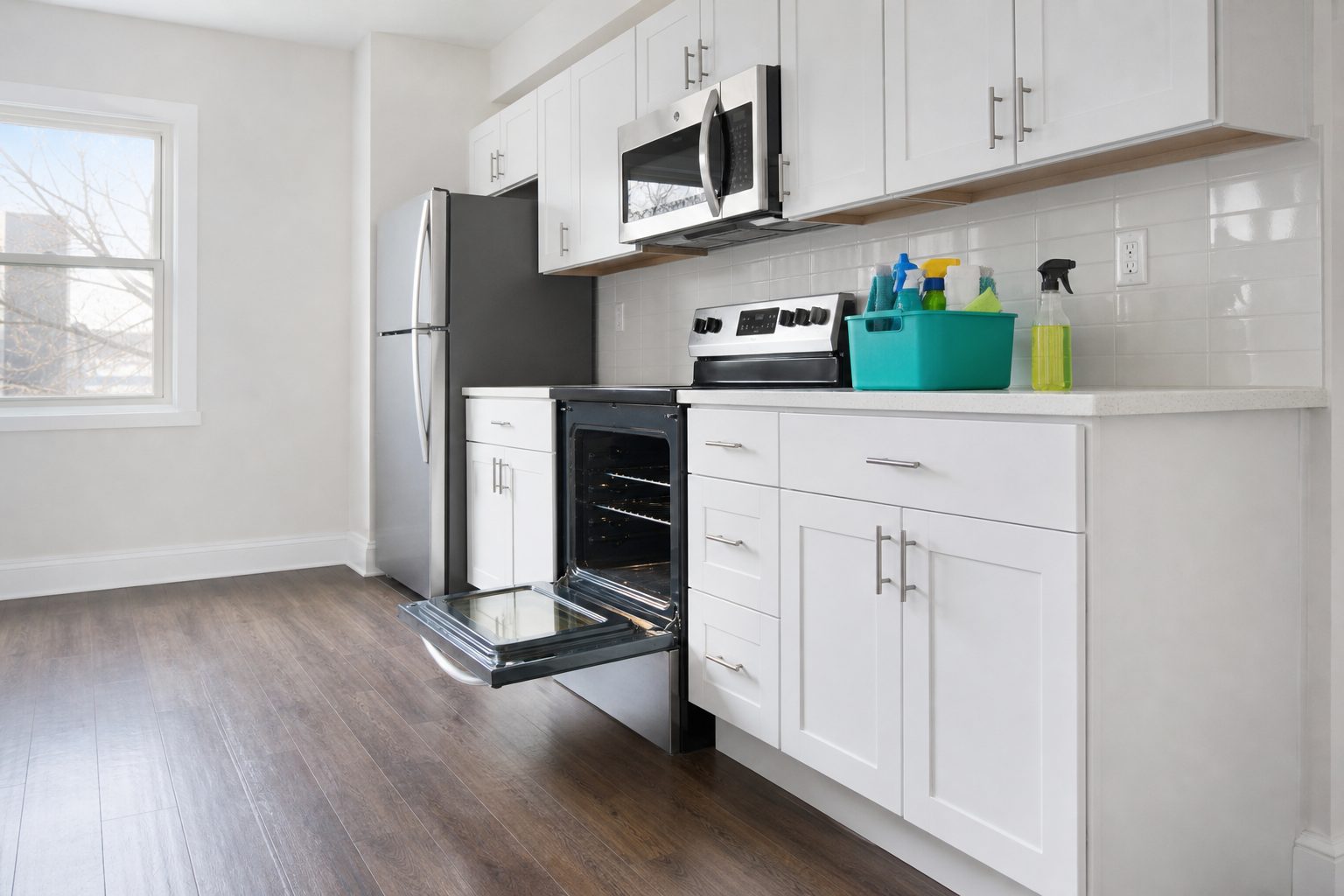
The kitchen is usually the biggest time sink in a move out clean. The difference from a recurring job is clear the moment you open the oven or fridge. Every interior surface is fair game, from the bottom of the crisper drawer to the oven racks and drip pans.
Appliance Interiors
Start with the refrigerator. Remove all shelves and drawers. Wash each piece in the tub or a deep sink, using degreaser and a scrub brush for sticky spills. Dry completely before replacing to avoid mildew. Clean the freezer compartment and check for frost buildup or forgotten food. Wipe the door seals and hinges.
For the oven, use a scraper and a degreasing cleaner to tackle baked-on residue. Pay attention to the window glass and broiler drawer. Pull out the bottom drawer and clean under it. Don't miss the range knobs, drip pans, and the space around the burners. The microwave, if built in, needs its turn too: inside, outside, and the filter underneath.
Cabinet Boxes and Drawers
Empty every cabinet and drawer. Vacuum out crumbs and use a mild cleaner on all interior surfaces, including the undersides of shelves. Remove shelf paper if it's torn or stained unless the property manager says otherwise. Wipe the door fronts and hardware, and check handles for grime.
Range Hood and Filter
The range hood often traps grease and dust. Remove the filter and soak it in hot, soapy water. Wipe down the hood's interior and exterior, including the light bulb cover. Check above the cabinets for dust buildup, and wipe down the backsplash behind the stove. Don't forget the dishwasher interior and seals, if present.
Bathrooms: Grout, Hard Water, Exhaust Fans and Under the Sink
Bathroom cleaning for turnovers goes beyond what a tenant or regular customer expects. Grout lines, hard water spots, and hidden corners are all in play. This is the room where a missed detail can cost your crew a callback.
Grout and Tile
Spray down all tile surfaces with a disinfectant or a specific grout cleaner. Use a stiff-bristled brush to scrub grout lines on the floor and walls, especially in the tub and shower. Pay extra attention to corners where mildew grows. Rinse and wipe dry to prevent streaks.
Hard Water and Fixtures
Check faucets, showerheads, and glass doors for mineral buildup. Use a descaler or vinegar solution to dissolve hard water stains. Polish chrome and stainless fixtures until they shine. Don't forget the metal drain covers and overflow plates, which often collect grime.
Toilets, Sinks, and Under Cabinets
Scrub the toilet bowl, rim, and seat hinges. Wipe down the tank and base. Clean under and behind the toilet, not just around it. For sinks, scrub the basin, faucet, and overflow holes. Open the cabinet below and wipe the interior, checking for leaks or old plumbing tape. Remove any debris or leftover items.
Mirrors and Exhaust Fans
Clean mirrors with a streak-free glass cleaner. Take the cover off the exhaust fan if possible and vacuum or wash it. A clogged vent is a common punch list fail. Leave the bathroom smelling fresh, not just chemically clean.
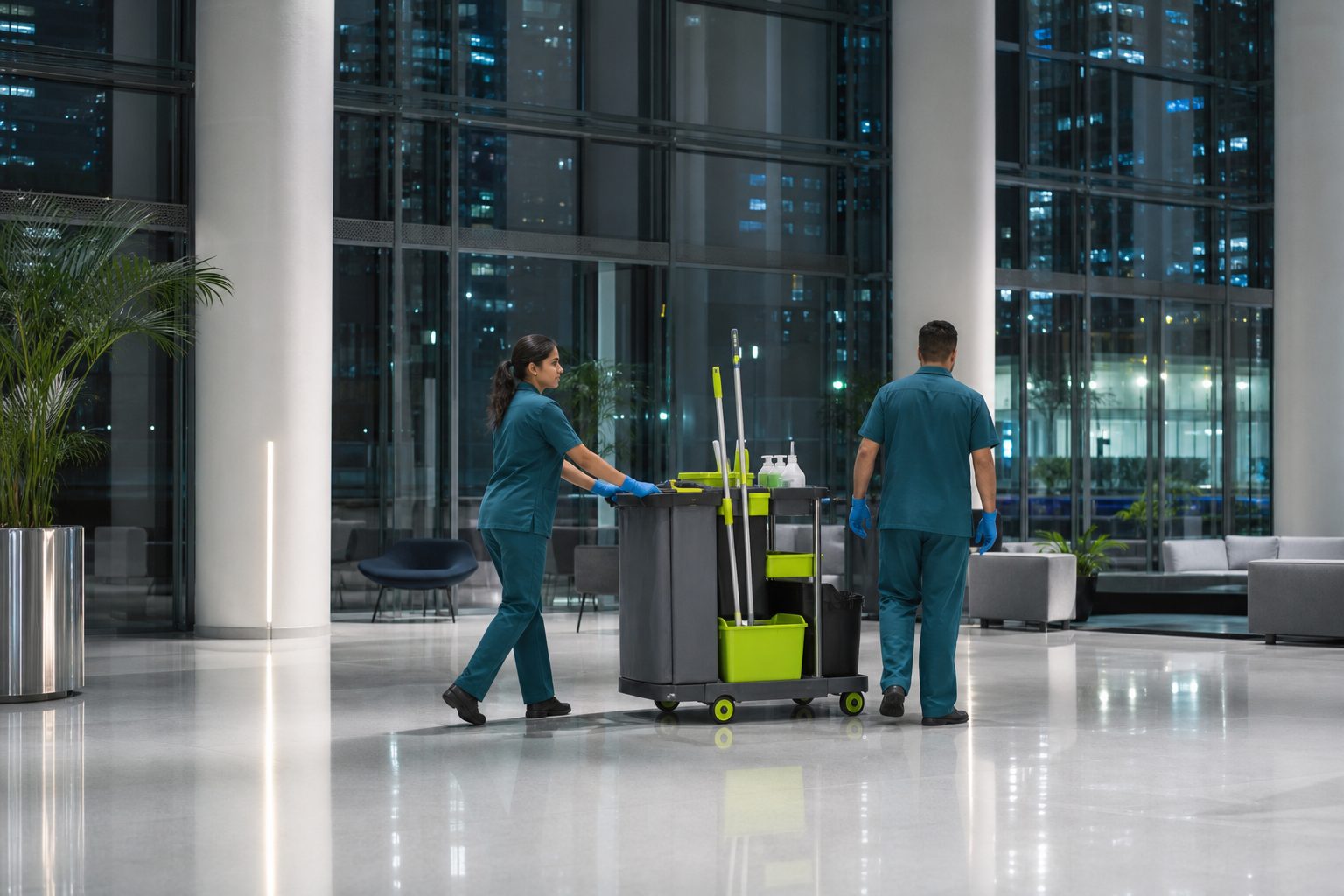
Keep reading: A Night on a Two-Person Office Route: Where the Minutes Go
Bedrooms and Living Areas: Baseboards, Blinds, Closets and Vents
Bedrooms and living areas can look clean at first glance, but they hide plenty of dust and debris. The inspection checklist here focuses on less obvious surfaces and storage spaces.
Baseboards and Trim
Use a damp microfiber cloth to wipe baseboards and door trim throughout every room. Pay close attention to corners, where dust collects. If there are scuff marks, a gentle scrub with a melamine sponge can help, but do not remove paint or finish.
Blinds and Window Coverings
Dust all blinds, both sides. For heavy buildup, close the slats and wipe each one individually. If curtains or drapes are present, check if they need vacuuming or spot cleaning. Property managers sometimes ask for blind cords to be wiped down as well.
Closets and Storage Spaces
Empty and vacuum all closet floors. Wipe the shelves, rods, and interior walls. Check for hooks, hangers, or forgotten items. Inspect the top shelf for cobwebs and dust, and make sure sliding closet doors are wiped down and working smoothly.
Return Air Vents and Ceiling Fans
Use a vacuum with a brush attachment to clean return air vents, intake covers, and ceiling fan blades. Remove dust from thermostat housings and light fixtures. A quick wipe on switch plates and outlet covers will also help the overall appearance.
Windows, Tracks, Sills and Patio Doors
Windows are a frequent source of punch list complaints, especially in units that have gone unoccupied. Property managers look for streak-free glass and clean tracks.
Glass and Frames
Spray glass cleaner on window panes and wipe with a lint-free cloth or squeegee. Be sure to get both sides if possible, but at minimum, the interior must be spotless. Wipe the window frames and locks, removing any handprints or dust.
Tracks and Sills
Use a vacuum or a dry brush to remove loose dirt from window and sliding door tracks. Follow up with a damp cloth to get the corners. Pay attention to buildup in the tracks, which can prevent proper operation. Sills should be wiped free of dust, spider webs, and dead insects.
Patio Doors and Screens
Clean the glass on patio doors and sliding doors as you would windows. Wash or vacuum the door tracks, and check for pet hair or sand. If screens are removable, take them outside and brush them off. Wipe the handles and check that locks function as intended.
See how MopRoute handles this for commercial cleaning
Floors Last: Vacuum Order, Mopping and the Carpet Handoff
Floors should be done last to avoid tracking new debris onto clean surfaces. The sequence matters, especially in units with a mix of carpet, tile, and vinyl.
Vacuuming
Start at the farthest room and work backward toward the entryway. Vacuum all carpeted areas slowly, using overlapping passes. Pay attention to the edges, under radiators, and in closets. Use a crevice tool along baseboards and under appliances that cannot be moved.
For hard floors, vacuum or sweep thoroughly to remove dust and grit before mopping. Check corners, behind doors, and under cabinets for stray debris.
Mopping and Spot Cleaning
Mop kitchen and bathroom floors with a disinfecting solution, focusing on corners and around the toilet base. For vinyl or tile, use the manufacturer's recommended cleaner to avoid damage. Towel dry to prevent water spots. Remove any sticky spots or stains by hand if needed.
Carpet Handoff
If carpets require professional cleaning, vacuum first to prepare for the carpet crew. Mark any stains or pet damage with tape or notes, and let the property manager know. Some companies add carpet shampooing to their checklist, but for most turns, the standard is vacuuming unless otherwise requested.
Walls, Doors and Switch Plates: Where Cleaning Stops and Paint Begins
Cleaning crews are often asked to make old walls look new, but there's a limit to what cleaning can achieve. The standard is to remove surface dirt, fingerprints, and cobwebs, but not to paint or repair damaged drywall.
Wipe down walls where needed, especially around light switches, door handles, and corners. Use a damp sponge and mild cleaner on flat paint, being careful not to scrub too hard. For glossy or semi-gloss walls, more pressure is safe, but always test in a corner first.
Clean all switch plates, outlet covers, and door knobs. For doors, wipe both sides and the edges, focusing on handprints and smudges. If you find scuffs that don't come off or damage that goes beyond cleaning, note it for the property manager's punch list. The same goes for nail holes, gouges, or crayon marks. Cleaning stops where paint or patching is needed.
Photo Proof, Punch List and the Property Manager Signoff
The final step in a move out cleaning is documenting the results. Property managers rarely take your word that everything is done. They want photos of key areas and a completed checklist.
Walk the unit with your team and a copy of the punch list. Take clear photos of each room, inside appliances, under sinks, and close-ups of tough spots like grout or baseboards. Mark each task as completed as you go. This documentation helps in case of disputes later, and builds trust with the client.
Present the checklist and photos to the property manager for signoff. Some shops use apps to organize photos and checklists by property and date. These tools reduce callbacks and make it easier to manage multiple turns in a day.
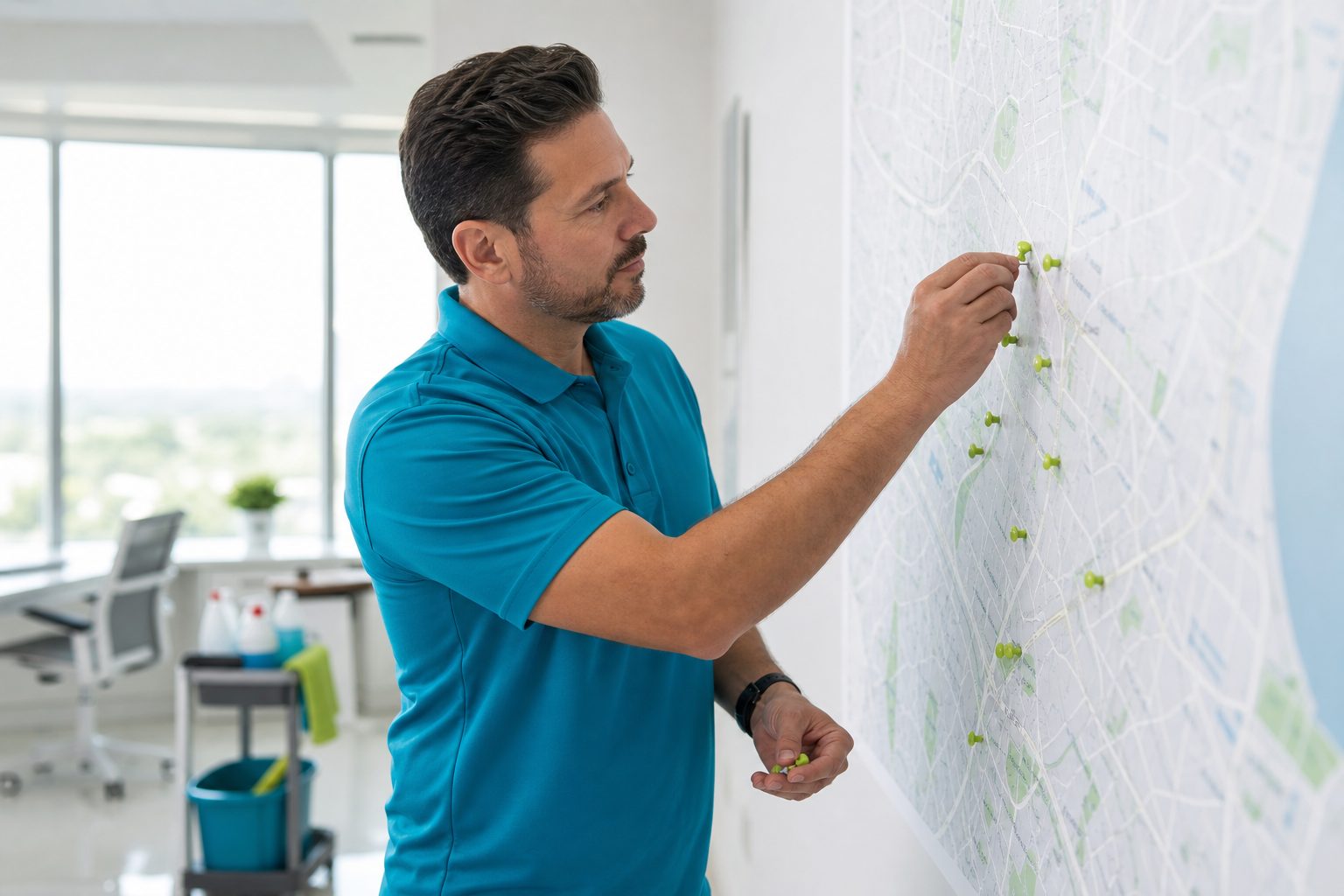
For operators running multiple crews or juggling recurring and turn jobs, route scheduling software with per-property checklists and photo verification is a time saver. It keeps track of completed tasks, provides proof for property managers, and helps crews deliver consistent results on every apartment turn.