The Label Is the Law: What FIFRA Requires of Every User
Every disinfectant in a commercial cleaning kit comes with a label approved by the Environmental Protection Agency. The Federal Insecticide, Fungicide, and Rodenticide Act, known as FIFRA, regulates these products in all fifty states. Users must follow the label instructions exactly. If your team applies a disinfectant in any way not described on the label, that use is considered both ineffective and illegal.
Labels dictate where and how you can use the product. They specify which surfaces, what organisms it kills, how long a surface must stay wet, and what personal protective equipment (PPE) is required. These rules apply to everyone, not just manufacturers. Violating the label can result in failed disinfection, liability, and even fines. The label is not just a suggestion, it is a binding legal standard.
Keep reading: OSHA Hazard Communication for a Small Cleaning Crew
Skipping the Pre-Clean on Visibly Soiled Surfaces
Disinfectants are designed to kill pathogens on clean surfaces. If dirt, grease, or debris is present, the disinfectant cannot reach the germs. The EPA requires that users pre-clean visibly dirty surfaces before applying the product. Skipping this step breaks the label directions and leaves dangerous gaps in protection.
Crews under time pressure sometimes spray disinfectant directly onto dirty counters, restrooms, or floors. This shortcut does not save time in the long run. Soil and organic matter can block the disinfectant from contacting the surface, shielding bacteria and viruses. The result: a surface that looks clean but still harbors pathogens.
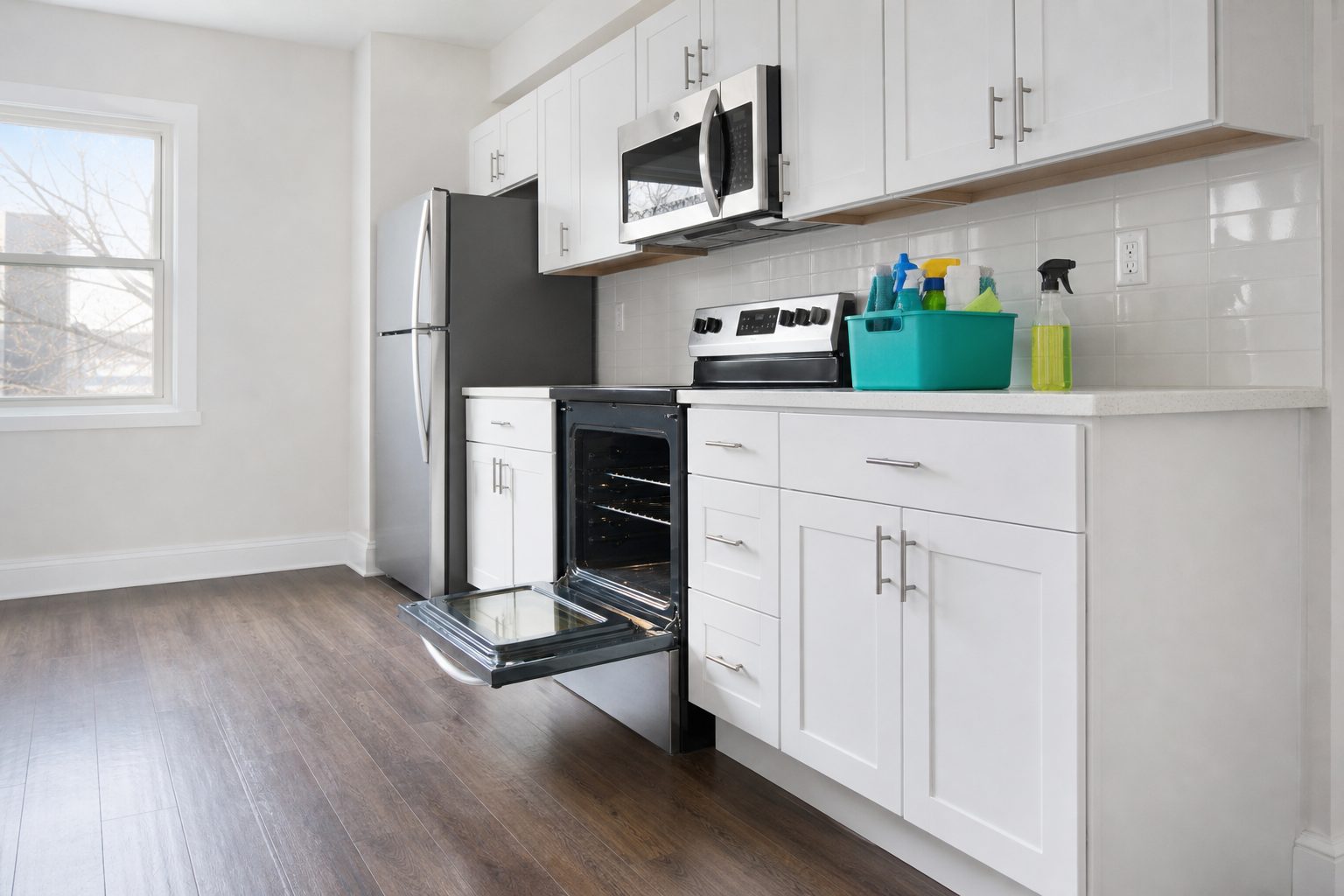
Pre-cleaning usually means removing loose debris and wiping with a detergent. Only after the surface is visibly clean does the disinfectant come out. Make pre-cleaning a mandatory step in every checklist to avoid missed spots and failed audits.
Wiping Dry Before the Contact Time Is Up
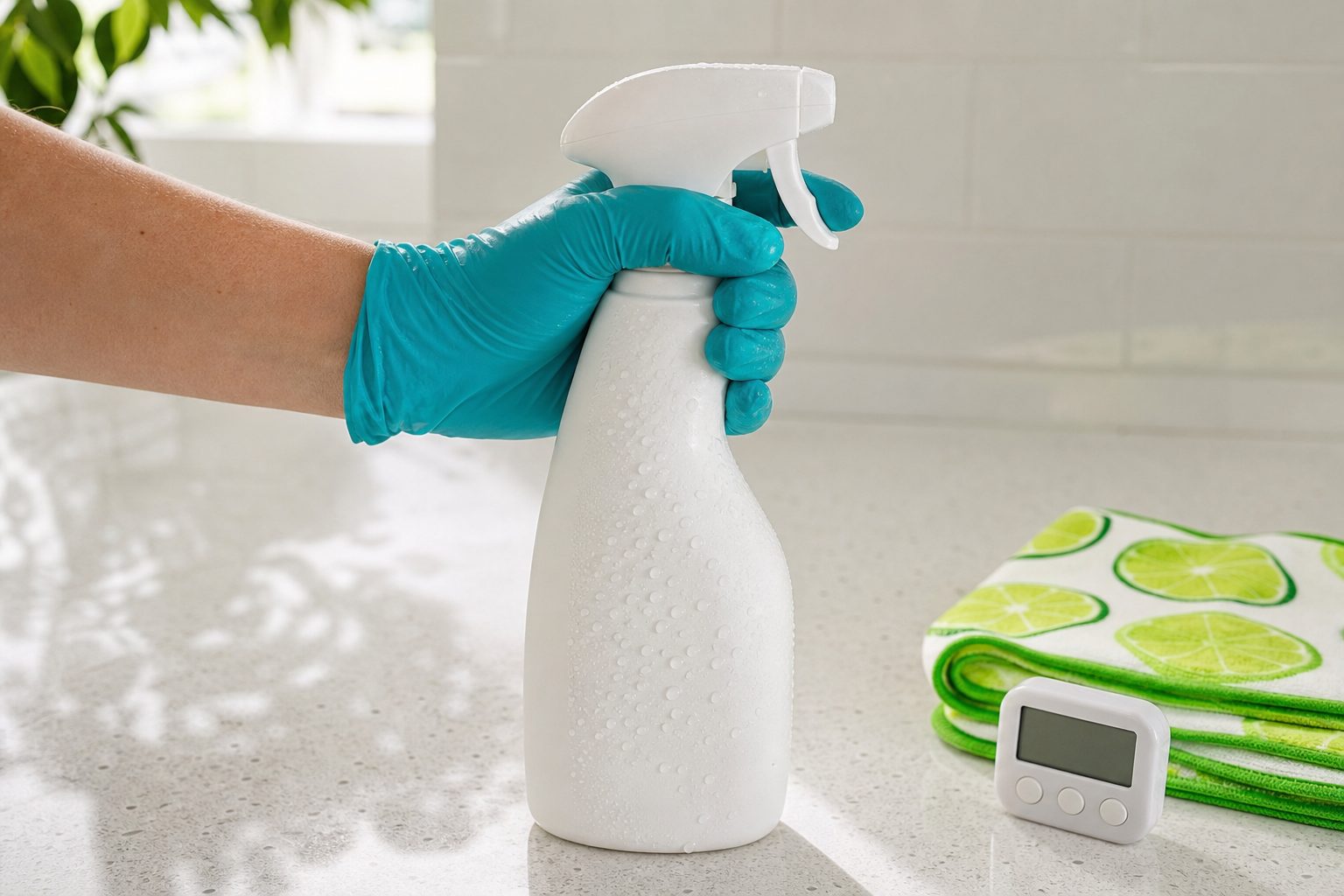
Every EPA-registered disinfectant has a required contact or "dwell" time. This is how long the surface must remain wet for the product to kill the listed pathogens. If the surface dries early or the crew wipes away the solution before the time is up, the disinfectant cannot do its job.
Why Dwell Time Matters
Many cleaners are tempted to spray and immediately wipe, especially when moving quickly or in high-touch areas. This cuts the actual contact time far below what the label requires. For some products, the full dwell time may be several minutes, longer than most realize. If you interrupt this process, the pathogens survive.
On audit, surfaces that fail ATP or microbial swab tests often trace back to poor dwell time compliance. One quick fix is to use a timer or route checklist that spells out the exact time required. Teams should be trained to reapply product if a surface dries out before the label time is met.
Diluting by Eye Instead of by Dispenser or Measure
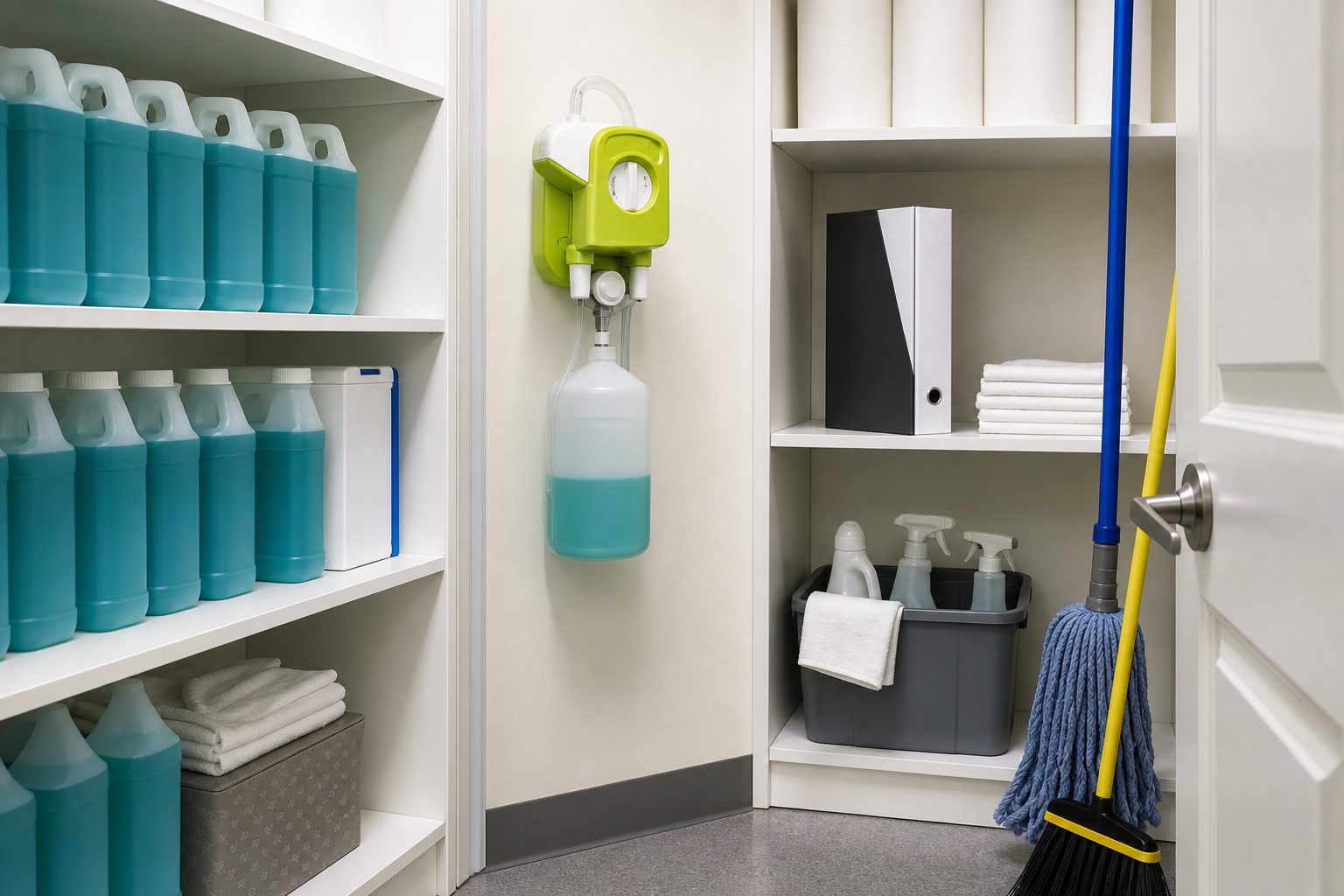
Concentrated disinfectants save on shipping and storage, but they must be diluted exactly as the label specifies. Mixing by eye or "glug-glug" estimation is a common shortcut that leads to two main problems: under-dilution and over-dilution.
Risks of Under-Dilution
Mixing too strong a solution can leave sticky residues, cause surface damage, and pose risks to staff and clients. Some users think more is better, but the label is based on safety and efficacy data. Unapproved strengths can also void liability coverage if there is an incident.
Risks of Over-Dilution
Mixing too weak wastes money and leaves pathogens alive. Surfaces may look clean, but if the concentration is below label spec, the product cannot deliver the promised kill claims. Auditors and inspectors may spot-check mixing logs and dilution stations, especially in regulated settings.
Always use a measured dispenser, a dilution control system, or pre-measured packets. Keep dilution charts posted by every mixing station and train every new hire to mix by the numbers, not by habit.
Keep reading: Move Out Cleaning Checklist for Apartment Turns, Room by Room
Reusing Yesterday's Solution and Double Dipping the Cloth
Many disinfectants lose effectiveness quickly after mixing. Some are only stable for a few hours, others for a single shift. Using solution left over from the previous day is a common error, especially in smaller operations, but it violates the label and leaves surfaces at risk.
Why Fresh Solution Matters
Active ingredients can break down in open buckets or spray bottles. If the product is cloudy, has an off smell, or has been sitting out overnight, it likely no longer meets EPA efficacy standards. Crews might not notice, but pathogens survive.
Double dipping a used cloth into the disinfectant bucket also contaminates the solution. Soil and microbes from one surface can transfer to the next, spreading germs instead of eliminating them. Labels often specify to use a fresh cloth or disposable wipe for each area and to change solutions frequently.
Set a policy to dump and replace solutions at the start of each shift. Use single-use wipes or color-coded microfiber cloths, and train crews to never return a dirty cloth to the clean supply.
Mixing Products, Starting With Bleach and Ammonia
Combining cleaning chemicals is never safe unless the label specifically allows it. The classic example is mixing bleach with ammonia, which produces toxic chloramine gas. But other combinations can also release dangerous fumes or neutralize both products, making them useless.
Unintended Reactions
Some teams try to boost cleaning power by adding a splash of one product to another, or by following a disinfectant with a separate cleaner without rinsing between. This can create harmful reactions or leave residues that irritate skin and lungs. Labels prohibit mixing unless explicitly stated, and any deviation is both a safety risk and a regulatory violation.
Bleach-based products especially require careful handling. Only use each chemical on its own, with a full rinse and air-out period before switching to another product. Train every staff member on what not to mix and keep clear instructions posted near supply stations.
See how MopRoute handles this for commercial cleaning
Ignoring the PPE and Ventilation the Label Requires
The EPA label will list required PPE such as gloves, goggles, or aprons. It may also specify minimum ventilation, open windows, running fans, or using the product only in well-aired spaces. These requirements are not optional. They are based on studies of product safety during use.
PPE Compliance on the Job
Cleaning crews sometimes skip gloves or eye protection, especially when moving between tasks. This exposes workers to chemicals that can irritate or damage skin, eyes, or lungs. In some states, repeat PPE violations can trigger workers' compensation claims or OSHA inspections.
Ventilation instructions are often overlooked in small offices and restrooms. Using a fogger or spray in a closed room without a fan or open window can result in headaches, dizziness, or worse. Always check the label for ventilation requirements and make sure every crew member knows how to meet them in each type of account.
Reaching for a Disinfectant Where a Cleaner Would Do
Disinfectants are for killing pathogens on high-risk surfaces, not for every surface in every room. The label will specify the germs targeted and the types of areas covered. Using a disinfectant everywhere is not only wasteful, it can also dull surfaces, cause buildup, and increase the risk of resistance.
Surface Selection and Overuse
Common errors include using disinfectant on low-touch areas like walls, windows, or floors that are not high-contact. For most of these, a general purpose cleaner is both faster and safer. Overuse of disinfectants can also trigger allergies and chemical sensitivities among building occupants.
Smart cleaning routes identify which areas need disinfection and which do not. This avoids wasted product, saves money, and keeps your service in line with label law. Review the scope of work and make sure disinfectant is used only where it is needed.
Closing the Loop: How to Stay Compliant on Every Route
EPA label compliance is not just a paperwork issue. It protects your clients, your team, and your business. Mistakes with pre-cleaning, dwell time, dilution, and product handling can lead to failed audits, liability, and safety incidents. The right process makes all the difference.
Using tools that assign property-specific checklists and require photo proof of completed steps can help keep every crew compliant. Route scheduling systems that walk teams through each requirement, pre-clean, mix, apply, dwell, PPE, reduce skipped steps and provide a record if questions ever come up. For operators managing multiple sites, this approach brings peace of mind and keeps the work both safe and legal.